

A few months back I came across a review online calling Fortaleza dirty, mentioning rats on the main beach, and saying flatly it wasn’t worth living there. It’s not a one-off. Search around and you’ll find the same split everywhere — sites overselling it as a tropical cure-all, or people writing the whole city off after one rough week.
Neither version is honest, and neither one is written by someone who actually knows the place. Steffany grew up here. This isn’t a city we discovered on a two-week trip and decided to write about.
So here’s the real account: what’s actually true in the criticism, what isn’t, who genuinely does well here, and who shouldn’t bother. No hedging, no highlight reel.
The Honest Answer
Most articles answering this question won’t actually answer it. They’ll tell you Fortaleza has beaches and sunshine and a low cost of living, then leave you to work out the rest yourself.
Here’s the honest version. Is Fortaleza a good place to live? Yes — for a specific kind of person, and not for everyone. The rest of this article is about figuring out which one you are, and being straight with you about the parts that don’t make it into the highlight reel.
We’ve written in detail elsewhere about the cost, the safety picture, and the neighbourhoods themselves. This article does something different. It’s the verdict — the thing you actually came here to find out.
The Postcard Versus the Real City

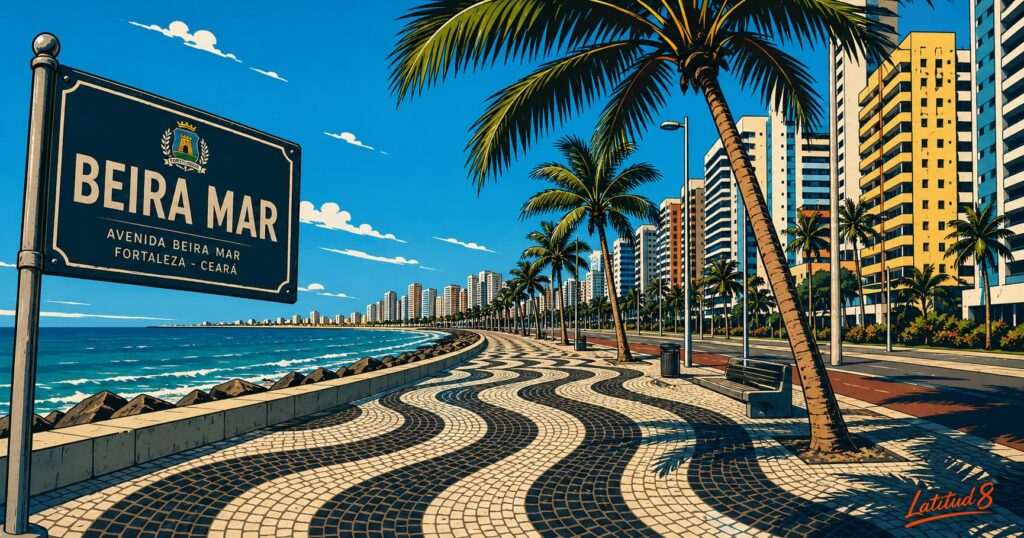
Most people arrive with the same image in their head: Beira Mar at golden hour, the skyscrapers catching the light, the sand that looks untouched. Steffany calls Fortaleza the Miami of Brazil, and along that specific stretch of coastline, the comparison holds up completely.
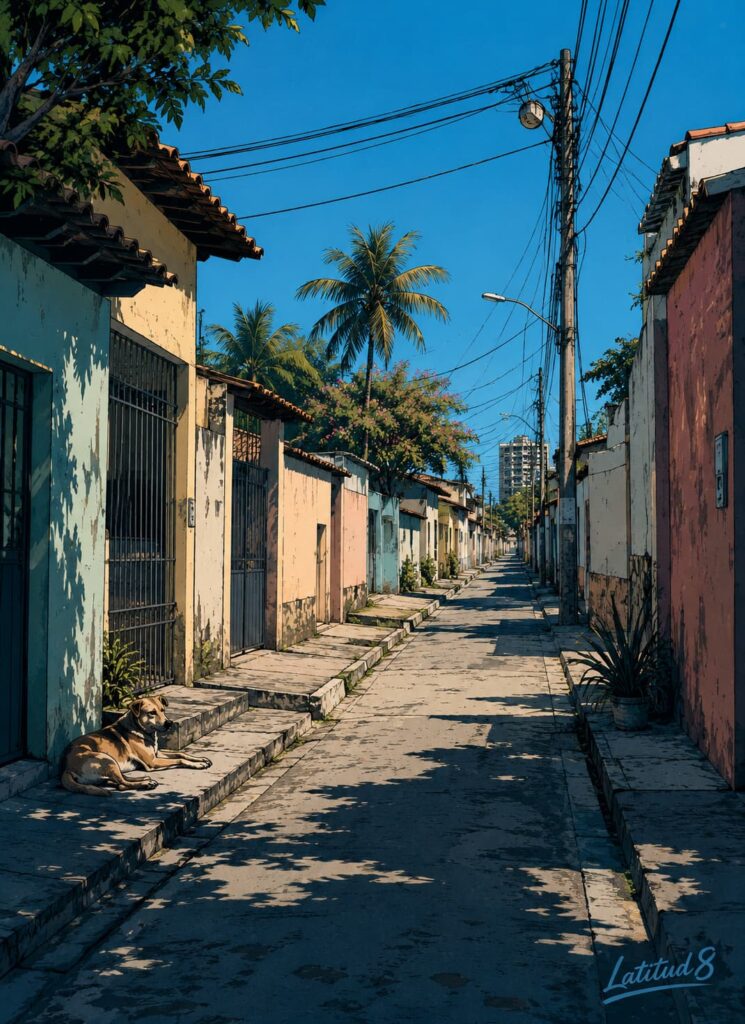
It’s also not the whole city. Fortaleza is large, and like any large Brazilian city it has real economic contrasts. Walk a few streets back from Beira Mar and the postcard version stops being accurate. People are managing, the way people manage everywhere, but it’s more visible here than it might be in a European city you’ve come from.
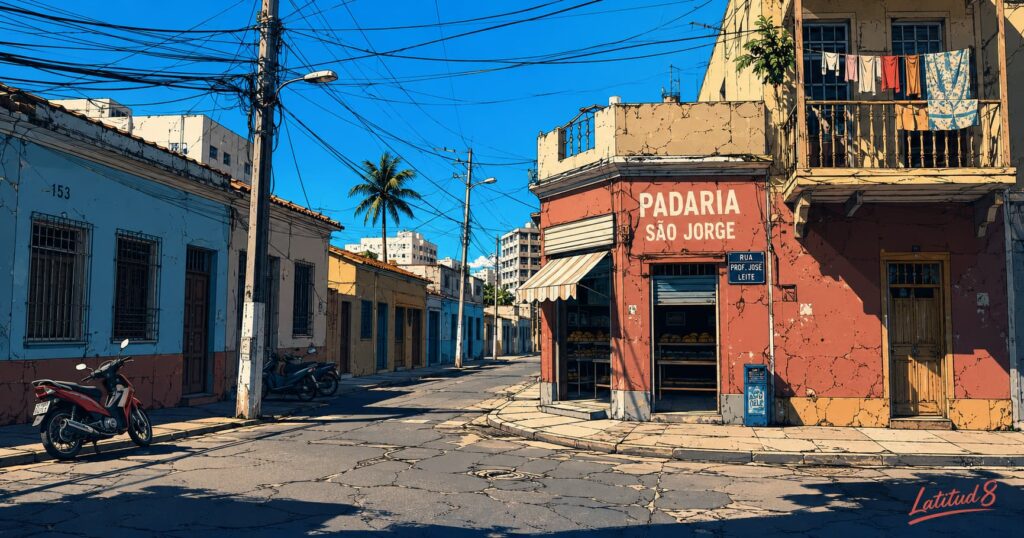
That’s not a criticism of Fortaleza. It’s a correction to the version of Fortaleza most people arrive expecting. The gap between the two is exactly where disappointment tends to live.
Who Fortaleza Actually Suits

The person who does well here is the one who can step outside their comfort zone and mean it. Someone genuinely curious about how other parts of the world work, willing to adapt to a culture and a language where a lot of the local population speaks no English at all.
That doesn’t mean fluency on arrival. It means a willingness to lean into the culture instead of bracing against it. Renting an apartment, watching your belongings, taking Ubers everywhere instead of walking — small adjustments, not one big overwhelming one.
What we’ve noticed, watching people arrive over the years, is that underneath the surface differences there’s more common ground than people expect. Social interactions, formal interactions, the way people actually treat each other — a lot of it translates. You just have to be willing to look for it instead of measuring everything against home.
Who Should Think Twice

The opposite type struggles here, and it’s almost always for the same reason: arriving expecting things to run exactly as they do back home.
That expectation sets you up to fail before you’ve unpacked. The first time something goes wrong — and something will — the instinct is to blame the country rather than ask whether your own expectations were realistic in the first place.
There’s a comparison worth making here. Years ago, before Fortaleza, one of us spent a month in India. India is a place people either love or struggle with, and there’s rarely much in between. The ones who loved it adapted to what was actually in front of them. The ones who struggled were the ones who couldn’t separate themselves from how things work at home. Neither reaction is wrong exactly, but only one of them makes for a good life abroad.
If everywhere in the world operated exactly like your home country, there wouldn’t be much reason to leave it.
What the Negative Reviews Get Right — and What They Miss

Search around and you’ll find harsher takes than anything in this article. One reviewer online called Fortaleza dirty, mentioned a rat problem on the main beach, and said flatly it wasn’t worth living there. Worth addressing directly rather than pretending it doesn’t exist.
The cleanliness point has some truth in it, in specific places. Along parts of Beira Mar, particularly after heavy rain, you can see where sewage runs directly into the ocean. It’s visible enough to notice if you’re looking for it. Beira Mar itself is genuinely well maintained — there are workers cleaning it constantly — but a few streets back, near abandoned buildings, people treat empty lots as somewhere to dump garbage or leftover construction material, signage telling them not to notwithstanding. Where the rubbish collects, the rats follow. That’s not unique to Fortaleza. It’s what happens in exactly this kind of spot in most cities in the world. It’s just more visible here than the version of the city most visitors expect.
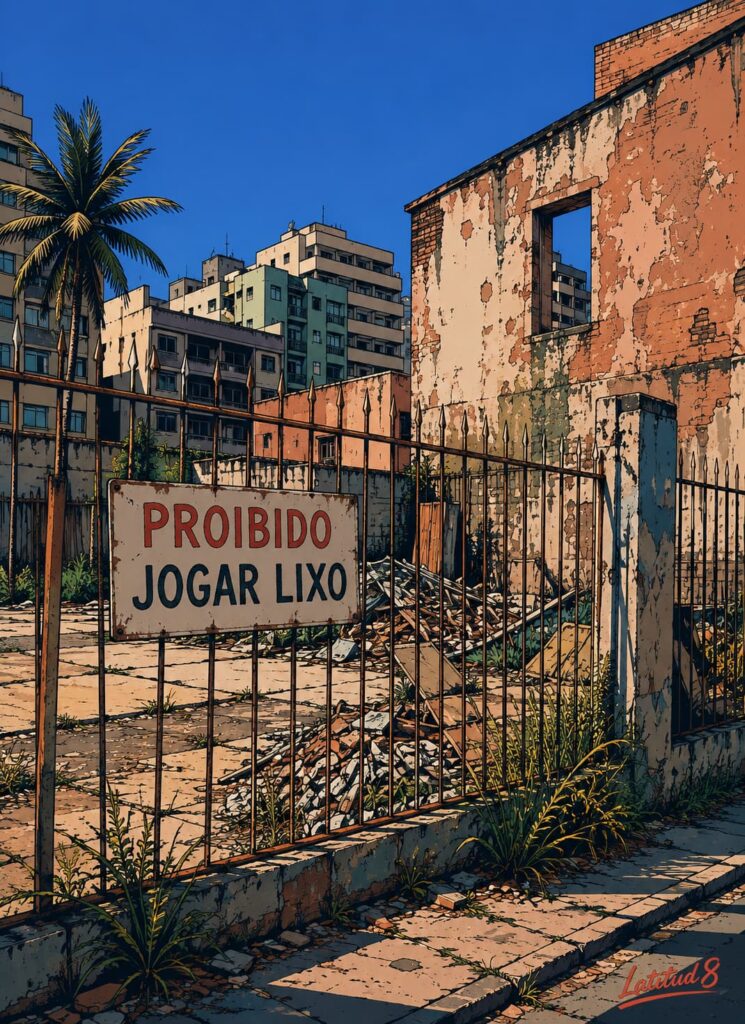
Is that a citywide rat infestation making the main beach unusable? No. Is there a real, specific cleanliness problem in specific corners of the city? Yes. Both things are true, and neither one is the whole story.
Healthcare — The Real Trade-off
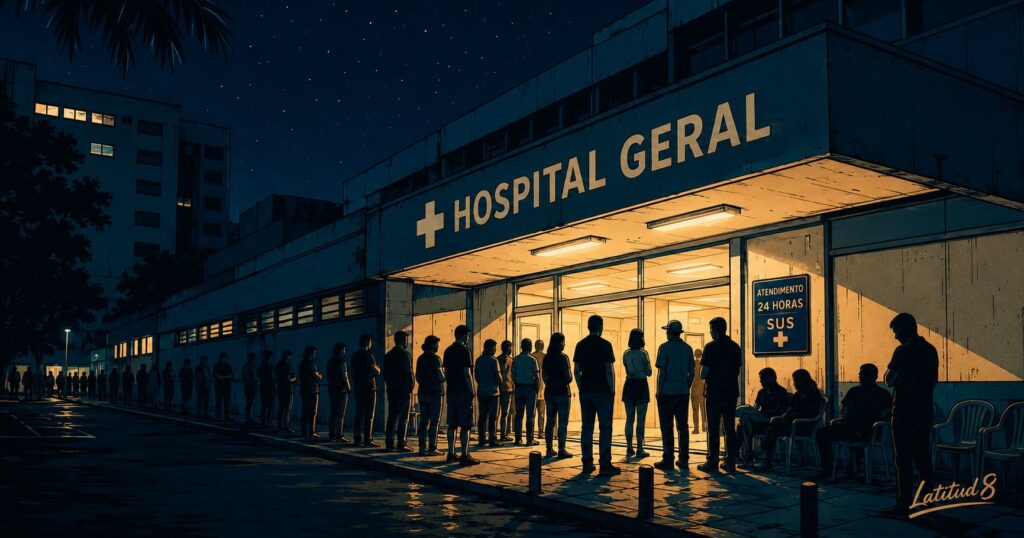
Here’s the thing that catches people out. When they first hear that Brazil’s public healthcare is free for everyone, including tourists, it sounds too good to be true. Then they run into the queues, the wait times, and the bureaucracy, and the excitement wears off fast.
The SUS — Brazil’s public health system — is one of the largest universal healthcare systems in the world, and it genuinely does cover everything from emergency care to cancer treatment at no cost. Roughly three-quarters of Brazilians rely on it as their primary source of care, with about a quarter holding private insurance on top. The long waits aren’t really about the quality of the doctors. They’re a straightforward capacity problem: a huge population depending on a system that doesn’t have enough specialists, enough hospital beds, or enough funding to match demand.
Private healthcare is a different experience — same-day GP visits, specialists within a couple of weeks rather than months, blood tests back the next morning. It’s not queue-free either, and the frustrations people report with it are usually about insurance networks and pre-authorisation rather than the hospitals themselves. But it’s a different world from the public system, and it isn’t free.
This isn’t abstract for us. Steffany’s cousin was in a serious motorbike accident a few years ago and lost a leg. He went through the public system, and he waited in a hospital bed for over a year before he got the surgery he needed. That’s not a story we’re telling for effect. It’s the honest version of what “free healthcare” can mean in practice if you don’t have another option.

If you’re moving to Fortaleza as a digital nomad, you have another option, and you should use it. We use SafetyWing — it’s built for exactly this situation, covers you across borders, and the monthly cost isn’t close to what an uninsured hospital stay would run you.
nomads in their 30s
Safety — Why the Warnings Sound Scarier Than They Are

We’ve written the full safety picture elsewhere, neighbourhood by neighbourhood. What belongs here is the meta-point, because it matters for the “is this actually a good place to live” question specifically.
Told to take an Uber everywhere, never walk alone, hide your phone constantly, watch for motorbikes — it can sound like a city on permanent high alert. When we’ve put that exact question to Steffany’s friends, the ones who follow every one of those rules without exception, every single one of them said the same thing: they’ve never actually been robbed.
That’s not a contradiction. It’s what a security culture that actually works looks like from the inside. The rules exist and get followed precisely because following them keeps the bad outcome rare. From outside, before you understand that, it can read as scaremongering. Once you’re living it, it reads as just how things are done here.
The same logic applies to a run mentioned in our full safety guide — one that, without meaning to, went straight through an area even locals avoid. Nothing happened. Everyone was still shocked by the route once they saw it on a map. Scarier in the telling than it turned out to be in practice — which is, honestly, the pattern with most of Fortaleza’s safety reputation.
Cost — Cheap Doesn’t Mean Compromise

There’s an assumption that follows low cost of living around: if it’s cheap, you must be giving something up. In Fortaleza, that’s not really true.
If you’re earning from outside Brazil, your spending power here is real, and it doesn’t come at the expense of quality of life. If anything, it’s closer to a cheat code — a city with genuine culture, food, weather, and beaches, that your outside income lets you enjoy without constantly doing the maths.

We’ve broken down the actual numbers, tier by tier, in our full cost of living guide. The short version: however you’re converting euros or dollars into reais, the exchange rate you get matters more than most people budget for. We use Wise for exactly this reason — it gives the real mid-market rate instead of the spread a Brazilian bank will quietly take. If you want to model your own numbers before committing, our Fortaleza Monthly Budget Calculator does exactly that.
Skip the Expat Bubble

Don’t build an expat scene around yourself here. We’d go further: actively avoid it.
Locals in Fortaleza are welcoming enough that even a small effort to engage with the city pays off disproportionately. Bars, local events, group sports — all of it beats staying inside a coworking space, talking only to other nomads who happen to be passing through the same city you are.
One evening, Steffany and her friends took us to a local rodízio and samba bar — not the kind of place a nomad finds scrolling recommendations, the kind of place you only get to because someone who grew up there brings you. The food, the music, the dancing, all of it operating on a different level entirely. We were the only foreigner in the building.
That’s not something you stumble into from inside a bubble. Stay close to locals instead of other nomads and the loneliness some people report just doesn’t show up in the same way. You see more of the actual city, not the version filtered through coworking spaces and cafés that cater to people exactly like you.
Which Fortaleza Nomad Are You?

Based on everything above, most people heading to Fortaleza land in one of a handful of patterns. Answer a couple of quick questions below for a fast read, or take the full quiz on whether Fortaleza is right for you for six questions and a shareable result.
Something goes wrong — not a disaster, just not how it would work back home. What’s the honest reaction?
What’s actually pulling you to Fortaleza?
How do you picture a normal day there?
The Verdict

Steffany grew up in Fortaleza, so no matter where in the world we are, it’s home for her. Having gone back with her more times than either of us can count, it’s home for me too now, or getting there.
It’s not one specific thing that makes it a good place to live. It’s the accumulation: the friendliness, the sense of family and community that runs through everything, paired with the weather, the food, the music, the beaches, and a cost of living that lets you actually enjoy all of it instead of just affording to survive it. That was obvious from day one, years ago, and nothing since has changed that read.
If someone gave us thirty seconds to answer honestly: yes, Fortaleza is a good place to live — for someone willing to meet it on its own terms rather than expecting it to meet theirs.
One practical piece of advice before you commit to anything long-term: don’t. Book a short stay first, get a real read on the city with your own eyes, and only then think about a longer lease.
Is Fortaleza a Good Place to Live? FAQs
Is Fortaleza safe to live in as a digital nomad?
Yes, in the areas where nomads actually base themselves — Meireles, Aldeota, and Cocó — with the standard awareness that applies in any major Brazilian city. Full neighbourhood-by-neighbourhood breakdown in our dedicated safety guide.
How much does it cost to live in Fortaleza?
A comfortable monthly budget runs roughly R$6,940–10,430 (€1,155–1,735 / US$1,285–1,930), covering rent, food, transport, and health insurance. The full category breakdown is in our cost of living guide.
What is Fortaleza famous for?
Its beaches — particularly Beira Mar and Praia do Futuro — year-round sun, and a warmth from the local population that consistently surprises first-time visitors more than the scenery does.
How big is Fortaleza, and what language is spoken there?
Fortaleza is Brazil’s fifth-largest city, with around 2.7 million people. Portuguese is the language, and English is limited outside tourist-facing spots near Beira Mar.
When is the best time to live in Fortaleza?
The dry season, roughly June to January, is the easiest window for a first stay — reliable sun and a strong Atlantic breeze. Temperatures stay warm year-round regardless, so there’s no genuinely bad time, just a more comfortable one.
